White-Water paddling with the Albany-Schenectady Chapter of ADK
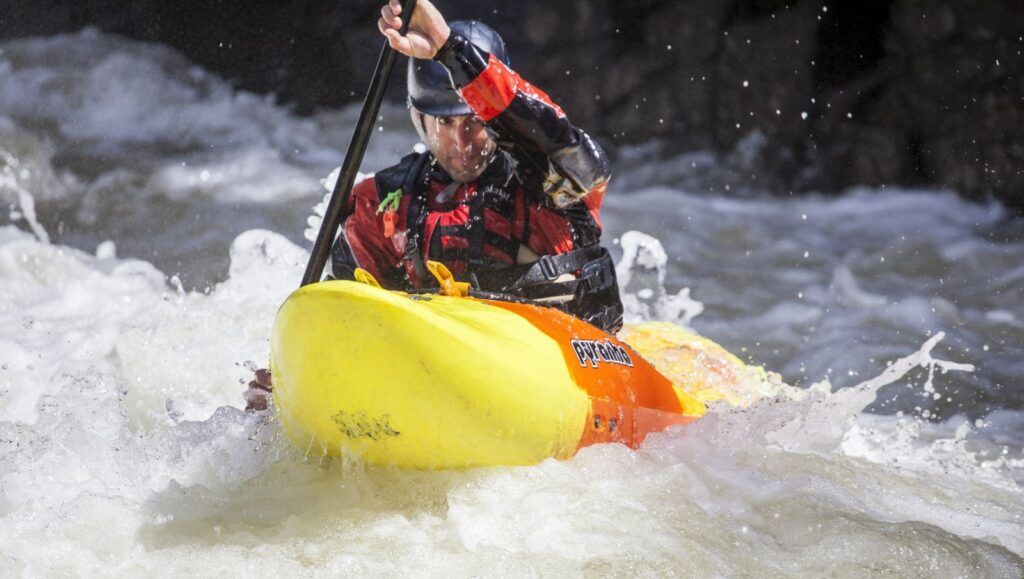
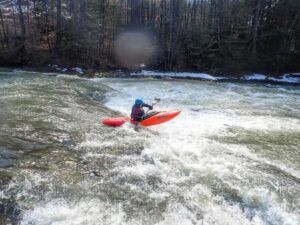
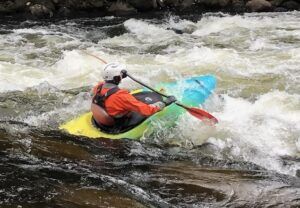
The White-Water section of the Albany-Schenectady Chapter of ADK is over 50 years old and currently has ~120 participants. It’s comprised of elite paddlers who regularly tackle Class IV-V rivers to beginners who literally have barely any experience on the water. This is an incredibly vibrant and inclusive group that has “amassed a wealth of knowledge of paddling, and of the region’s rivers” and is enthusiastic and eager to share its passion with new members. This group leads 30+ local white-water trips annually, coordinates multi-day events in Maine, West Virginia, North Carolina, Ottawa and other prime white-water destinations. This group also participates in several festivals such as the Deerfield, Beaver and Gatineau River Festivals. These festivals not only promote the sport but also advocate for the environment. These events are generally geared toward more experienced paddlers, but this group also hosts day and weekend clinics for beginners and winter pool sessions to help improve paddling strokes and rolling techniques. This group also provides support with gear and equipment.
If you are local and want to get into white-water paddling, are curious or just want to improve your paddling skills, you may want to consider connecting with the White-Water section of the Albany-Schenectady Chapter of ADK. The benefits of joining a club and/or taking formal lessons are many. It helps people figure out if they like the sport by easing them into it in a safe manner. It also enables people to get exposure to the different types of boats and equipment required to enter the sport. This alone can be a dizzying and expensive experience for newbies. This group has loaner equipment at no cost which is included in your basic club membership. Club members are often also very generous with loaning equipment to beginners. Please reach out to Bob Frank- jfrank10@nycap.rr.com if you have any questions.
Local Places to Paddle
Within a 1–2 hour radius of the Capital District we are fortunate to have some fantastic white-water resources. This is just a short list of local paddling opportunities:
Hudson River
This iconic waterway offers experts and beginners alike some of the most incredible white-water opportunities. The Upper-Hudson, including the Indian River has been a top destination for expert kayakers and white-water rafting companies for decades. Trips and outfitters often originate out of the North Creek area and start on the Indian River which then joins the Hudson. This 14-mile paddle through “The Gorge”, which consists of class III-IV rapids can be an incredible experience that creates life-long memories.
For beginners the section between North River and North Creek is a good option, with easy access just above the rest area on Rt. 28 in North River. This section of the river provides ~5 miles of slow-moving water, with a few Class I-II rapids, and some incredible scenery, which no doubt will make you want to come back for more. At the right water levels the next section of the Hudson between North Creek, Riparious and Glen offers ~14 miles of Class- I-III rapids. There is easy access to the river from North Creek behind the downtown pavilion. This section is livelier and has some incredible scenery.
Schroon River
Down the road from the Hudson, but still part of its big brother’s tributary. The Schroon with the right water levels can also offer some beautiful views and lively Class I-III rapids. The 6.5 mile section below the dam in Starbuckville to the takeout at Riverbank just north of exit 24 of the Northway takes you through “Adirondack scenery” while also offering some exhilarating rapids. Water levels usually remain high enough until Memorial Day and after significant rain events to run this section of the Schroon. To complete your Adirondack experience be sure to visit the Crossroads Country Store in Chestertown when you are done on the river.
Sacandaga River
Another river with many branches that is also a tributary of the Hudson River is the Sacandaga. With the right conditions, it offers many white-water opportunities. One of the most popular, and reliable, due to dam releases is the Class I-III section between the Stewarts Dam and the Hudson River. Out of the Sacandaga Outdoor Center located in Hadley, kayaking, rafting, and tubing can all be experienced in a family friendly atmosphere. But don’t let this 3 mile stretch of river, which can be accessed just below the Stewarts dam, fool you. There are a few very powerful play waves on this stretch, and capsizing can lead to a long swim especially at the bottom of this run. If this occurs, you may find yourself starting your trip on the Sacandaga and ending it several hundred yards down the Hudson River!
Deerfield River
This diverse and historical river in our backyard runs for 76 miles from southern Vermont through northwestern Massachusetts all the way to the Connecticut River. The popular Fife Brook section of the river is located in Charlemont, MA and is mostly beginner friendly with Class I-II rapids perfect for practicing and honing skills. There is also one Class III rapid called “Zoar Gap” which, if not respected, will send paddlers for an exuberant swim. On weekends onlookers often can be seen on the road above the Gap offering encouragement to those about to run it and to witness the carnage that ensues to those that “swim” the gap. The Fife Brook section of the river offers 8+ miles of paddling with spectacular views, through pristine wilderness and many deep valleys. This is also a dam release, popular water way pursued by several outdoor outfitters for fishing, rafting, tubing and kayaking. For a much more challenging experience just upstream of the Fife Brook, the Monroe Bridge Section of the Deerfield, also called the “Dryway” is another popular option for more expert paddlers. This section of the river which is just shy of 3 miles long offers class III-IV level rapids and is also controlled by dam releases. Those interested in these rivers might consider one of the local outfitters for a trip, these include Zoar Outdoor, Crabapple Whitewater, and Berkshire Outfitters.
Moose & Beaver Rivers
Although not generally for beginners and outside of the 1-2 hour radius, I would be remiss if I didn’t mention these two fabled NY white-water destinations. Each of these rivers offers some of the best scenery and most exhilarating and demanding Class IV-V rapids around. If interested Alex Barnam has some amazing on-line U-tube videos. In addition, the annual Beaver Festival attracts hundreds of the paddlers to this area on Labor Day weekend.
Within the Northeast and close proximity to the Capital District, there are some incredible rivers and creeks that can be run safely with the right level of preparation.
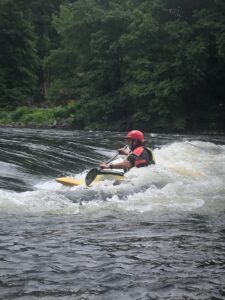
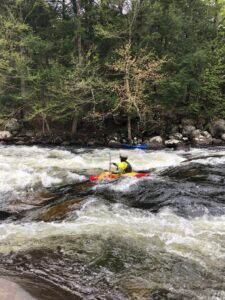
River Classifications
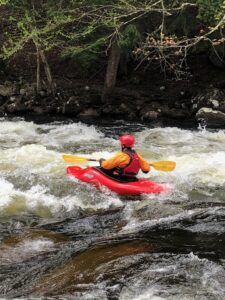
A key aspect of paddling moving water for beginners, novices and experts alike is understanding river classifications. The classifications describe the characteristics of a river and assign a difficulty level of a river. They are universally applied but are subjective ,however, and can vary with fluctuating water levels. Typically, high water levels & flows increase the difficulty of rapids. But this is not always the case. Some rapids become more difficult at lower water levels because of exposed obstacles. The classification systems also does not consider the type of boat being paddled. Some rapids may present more challenges for rafts, while other rapids may be more difficult for a paddler in a kayak or open canoe. Finally, major events like ice storms or floods can change the shape of rapids, thus vastly altering their classification. The classifications are as follows:
Class I: Moving water with a few riffles and small waves. Few or no obstructions.
Class II: Easy rapids with smaller waves, clear channels that are obvious without scouting. Some maneuvering might be required.
Class III: Rapids with high, irregular waves. Narrow passages that often require precise maneuvering.
Class IV: Long, difficult rapids with constricted passages that often require complex maneuvering in turbulent water. The course may be hard to determine, and scouting is often necessary.
Class V: Extremely difficult, long, and very violent rapids with highly congested routes, which should be scouted from shore. Rescue conditions are difficult, and there is a significant hazard to life in the event of a mishap.
Class VI: The difficulties of Class V carried to the extreme. Nearly impossible and very dangerous. For teams of experts only. Involves risk of life. Class VI rapids are not commercially raftable.
Rivers and creeks can be incredible natural forces subject to change at any time. Fortunately, there are digital resources available from USGS, NOAA and others that let you monitor the conditions often in real time to help paddlers plan their trips. Understanding the classification systems and the factors that can alter them leads to more fun on the water and a safer experience. With respect to safety, paddlers should not paddle alone, they should always wear a personal flotation device (PFD) and should not overestimate their skill level and should always be mindful of weather and river classifications.